


By Raksha Choubey
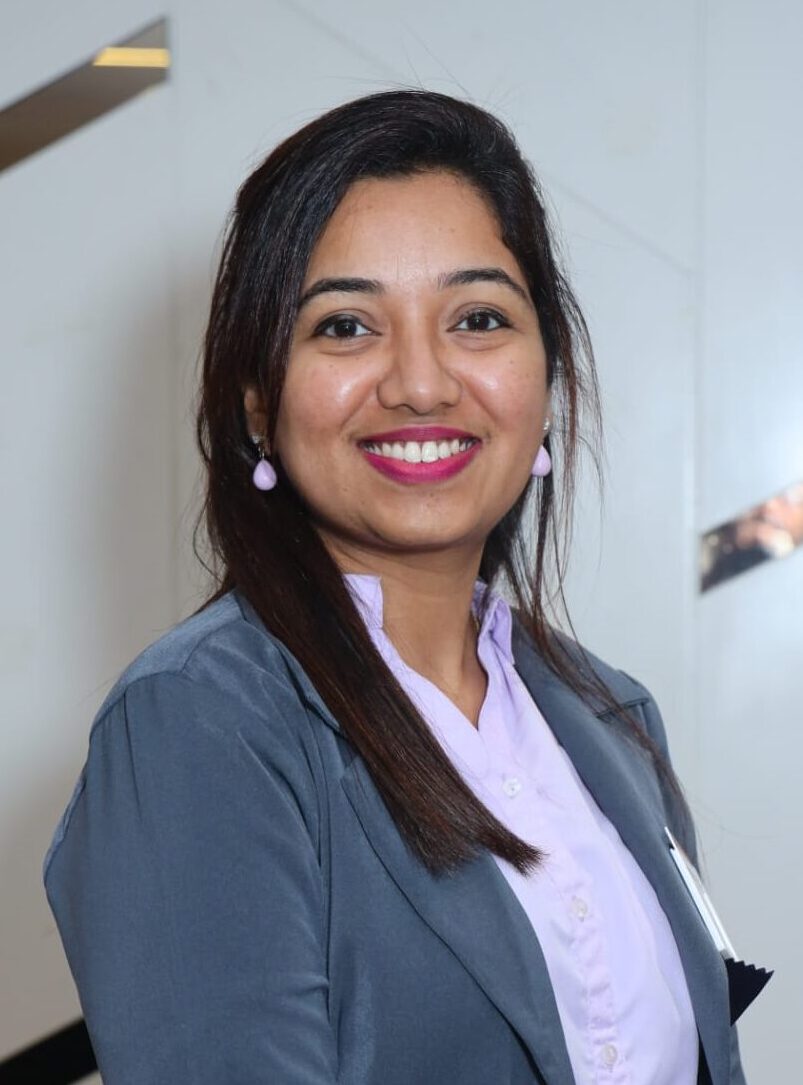
Architecture, for Ar. Anagha Naik, has always been deeply personal. Beyond drawings and structures, it has been a journey of self-discovery and understanding how spaces influence emotions, relationships, and everyday life.
As an Architect, Vastu consultant and Co-founder of Triangle Design Studio, her path reflects not only professional growth but also personal evolution, learning to trust her intuition, stand firm in her values, and build a practice rooted in balance, integrity, and shared purpose. In this conversation, she opens up about the experiences that shaped her thinking, her partnership in design and life, and the meaning success holds for her today.
What first drew you towards architecture, and what inspired the birth of Triangle Designs?
My journey toward architecture began with a quiet fascination for how certain spaces instantly feel comforting while others feel heavy or restless. I was always curious about why some homes radiate warmth and balance even without grandeur. Over time, I realised architecture is not just about walls and structures, but about emotions, energy, and how a space supports human life. As I grew professionally, I saw many designs that were visually appealing yet lacked harmony and usability, which strengthened my urge to create spaces that are aesthetically refined while aligned with nature, direction, and an individual’s life journey, where architectural thinking naturally merges with Vastu Shastra.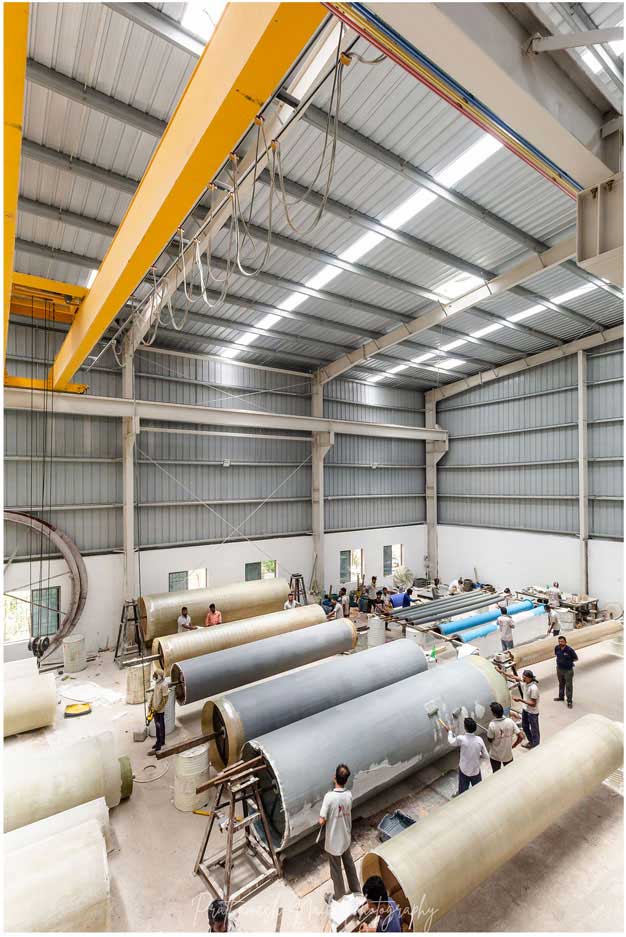
Triangle Design Studio was born from this shared belief and the constant support of my professional and life partner, Ar. Prathamesh Naik. His practical approach, design clarity, and execution-driven mindset beautifully complement my intuitive and Vastu-guided perspective. Together, we believe that when logic and intuition, structure and sensitivity come together, design becomes complete.
With over 15 years in practice, how would you describe the evolution of your design philosophy?
Over the last 15 years, my design philosophy has evolved from focusing on how a space looks to deeply understanding how a space lives. In the early years of practice, like most architects, I was driven by form, finishes, and visual impact. With experience, site realities, and client interactions, I realised that good design goes far beyond aesthetics, it lies in how effortlessly a space supports daily life.
As my professional journey progressed, my exposure to real people, real challenges, and real emotions shaped my thinking. I began paying closer attention to orientation, light, ventilation, movement, and the subtle energy of spaces. This naturally led me to integrate Vastu Shastra in a logical and scientific manner, not as a belief system but as a design tool that enhances balance and well-being. Today, my philosophy is rooted in simplicity, functionality, and harmony. I believe a well-designed space should feel calm, intuitive, and free from unnecessary complexity.
Architecture is a demanding profession, especially in a city like Mumbai. What were some of the personal or professional challenges you faced while building your practice?
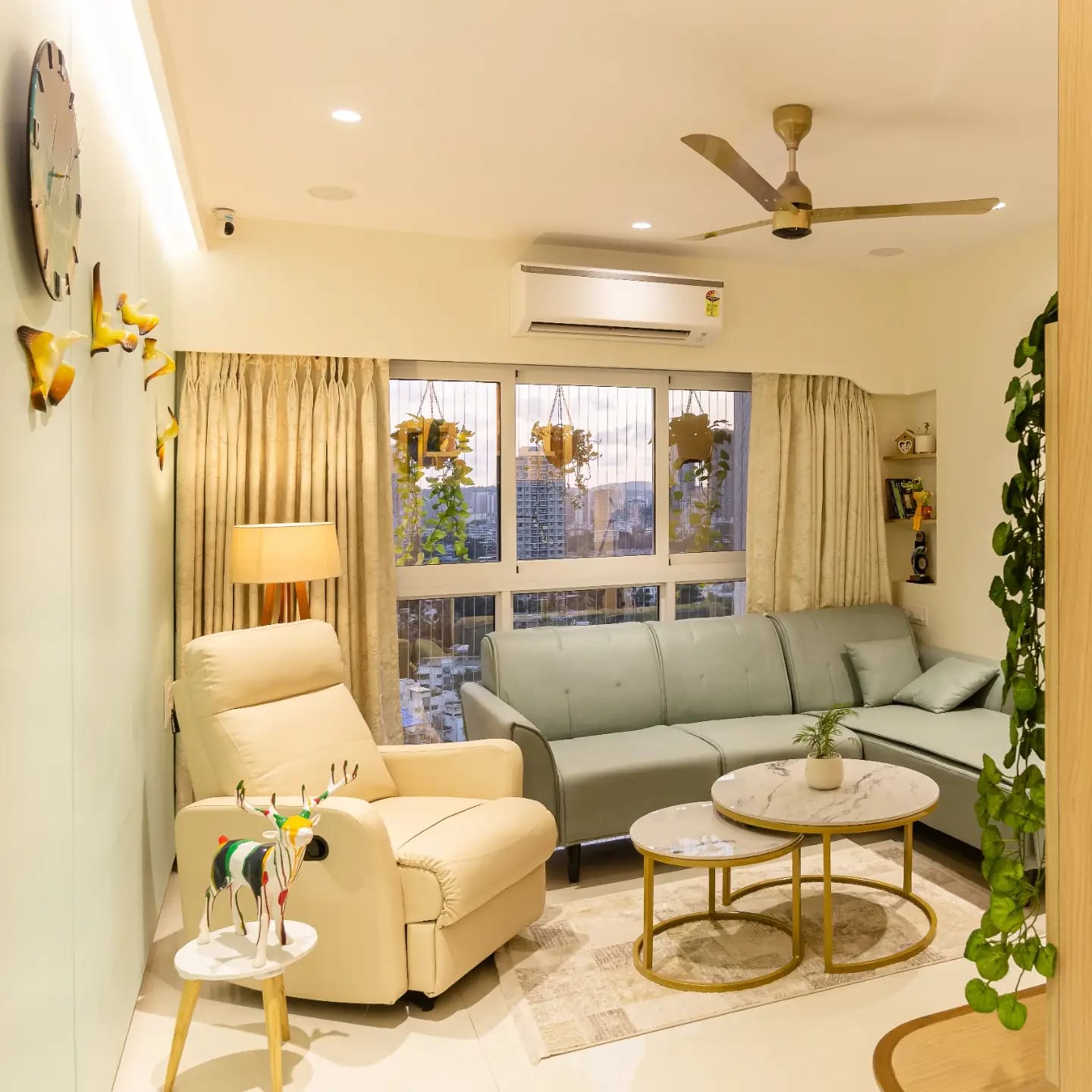
Architecture in Mumbai is as challenging as it is inspiring. At Triangle Design Studio, we had to navigate a city shaped by unorganized growth, where speed often overrides vision. Designing within tight plots, strict regulations, and ageing infrastructure demanded constant adaptation without compromising integrity. We also faced the challenge of promoting sustainability in a fast-paced environment where it is often seen as an added cost, requiring us to consistently educate clients about long-term livability, natural light, ventilation, climate-responsive planning, and responsible material choices.
Another key challenge was reshaping perceptions around Vastu Shastra, often misunderstood as either myth or rigid rules. We worked to present it as a logical and scientific system aligned with nature and well-being, integrating it thoughtfully into contemporary design. Balancing vision with execution, and intuition with practicality, shaped our studio’s clarity and purpose, strengthening our commitment to designing responsibly for the future.
Building the studio was also a personal journey of alignment between design vision and execution. With complementary perspectives within the team, we learned to balance creativity with practicality, intuition with logic. These challenges didn’t weaken our practice; they shaped it. They helped us evolve into a studio that designs with responsibility, clarity, and purpose, creating spaces that are not just built for today, but thoughtfully designed for the future.
As a woman architect co-leading Triangle Designs with Ar. Prathamesh Naik, did you encounter situations where expectations or perceptions tested you, and how did you respond?
Yes, there were moments when expectations and perceptions tested me, especially in a largely male-dominated profession and on construction sites in Mumbai. At times, my presence was met with doubt, technical authority was directed elsewhere, or my role was assumed to be limited to design rather than decision-making. I chose to respond with consistency and clarity rather than resistance, realising that competence is the most powerful way to challenge perceptions. Being well-prepared, site-aware, and firm allowed my work to speak for itself, and steadfast professionalism gradually reshaped expectations.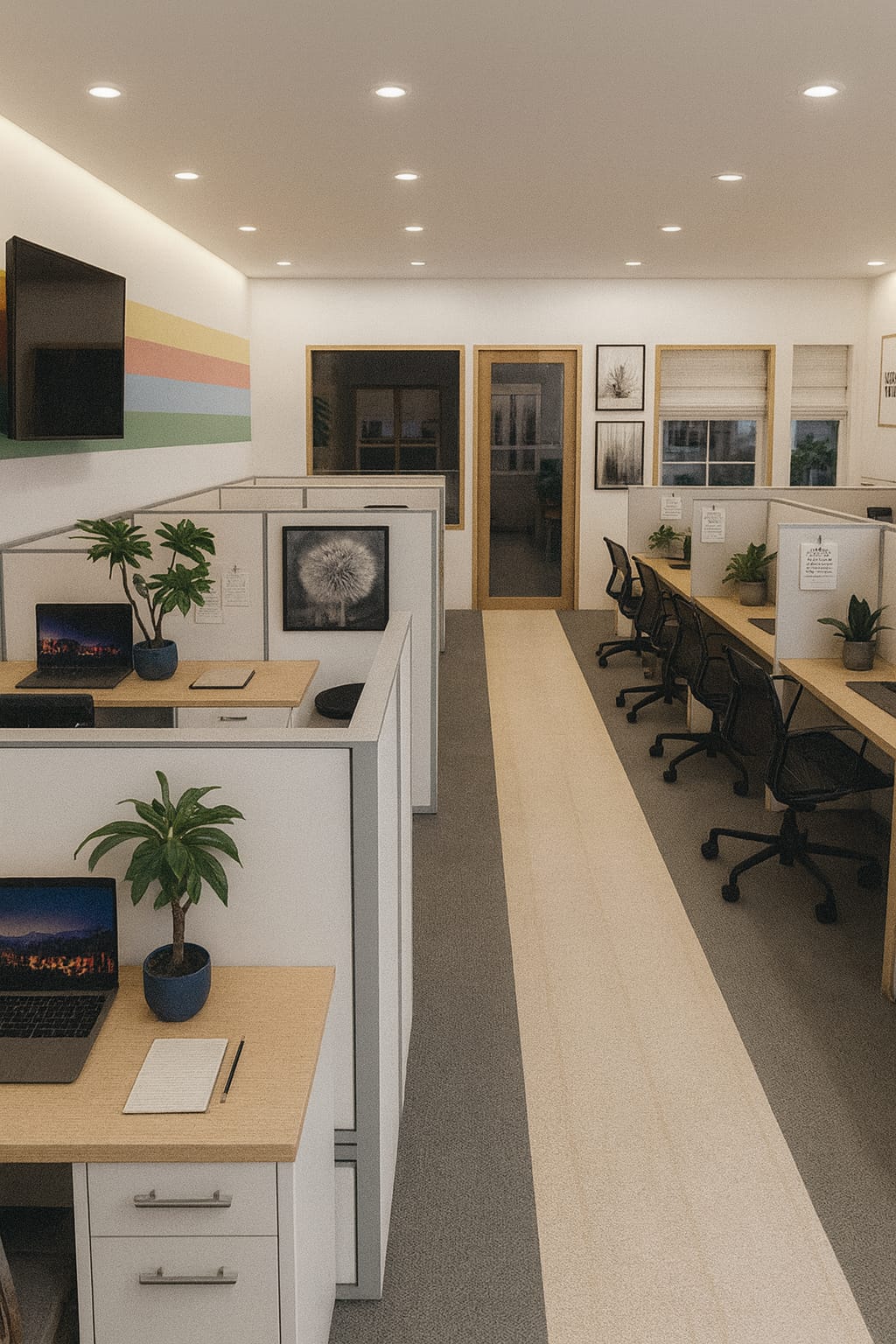
Co-leading Triangle Design Studio with my professional and life partner, Prathamesh, has been equally important. Our partnership is rooted in mutual respect and equal ownership of ideas and responsibilities, where capability, not gender defines authority. Together, we value collaboration over hierarchy. These experiences strengthened my resilience, empathy, and confidence, reinforcing my belief that leadership is about direction, not dominance, and helping me grow as an architect and as a woman leading with purpose, integrity, and quiet strength.
Looking back at your journey so far, what does success mean to you today, and what kind of impact do you hope your work continues to have?
Today, success means far more than recognition or scale. For me, it lies in client satisfaction built on honesty, trust, and long-term comfort, the quiet assurance that the people who inhabit our spaces feel physically, emotionally, and mentally supported. Our greatest validation is the trust clients place in us and the recommendations that follow, reflecting belief not just in our design, but in our intent and integrity. This kind of satisfaction cannot be measured in numbers; it is earned through consistency, transparency, and responsibility.
Looking ahead, I hope our architecture continues to have a subtle yet lasting impact, creating spaces that age gracefully, promote healthier lifestyles, and quietly elevate everyday life, because if our work fosters trust, peace, and positive growth long after completion, that is true success.
For Anagha, this journey has never been solely about building projects, it has been about building meaning. Each challenge, partnership, and client interaction has shaped not just her studio, but her identity as a designer and as a person. As Triangle Design Studio moves forward, her vision remains deeply personal, to create spaces that reflect balance in her own life, where intuition meets clarity, purpose meets compassion, and architecture becomes a gentle force for positive change.